
High-speed centrifuges are widely used in industries for efficient separation of solids, liquids, and biomolecules. In pharmaceuticals, they enable rapid isolation of proteins and nucleic acids with minimal contamination. The food industry benefits from fast clarification and improved extraction of valuable ingredients. Chemical manufacturing relies on them for sludge dewatering and contaminant removal Micro centrifuge. These centrifuges offer enhanced purity, reduced energy use, and compact integration. Understanding their industrial advantages reveals how they boost productivity and precision across sectors.

How High-Speed Centrifuges Improve Pharmaceutical and Biotech Production
Although pharmaceutical and biotech production processes vary widely, high-speed centrifuges consistently enhance efficiency by enabling rapid separation of cellular components and biomolecules. These machines facilitate the isolation of proteins, nucleic acids, and other essential substances with precision, supporting downstream purification and analysis.
Their speed and reliability reduce processing times, allowing manufacturers to meet tight production schedules without compromising quality. The ability to handle large volumes while maintaining consistent performance empowers researchers and producers to innovate freely Lab Alliance, optimizing formulations and scaling up production.
Additionally, high-speed centrifuges minimize contamination risks by providing closed-system operation, ensuring product integrity. This technology supports agile development cycles and flexible manufacturing, aligning with the evolving demands of pharmaceutical and biotech industries seeking both speed and accuracy.
Using High-Speed Centrifuges in Food and Beverage Processing
High-speed centrifuges play a crucial role in food and beverage processing by efficiently separating components to enhance product quality and consistency.
These machines enable manufacturers to achieve pure, stable products while minimizing waste and processing time.
Their ability to quickly isolate solids, liquids, and emulsions improves texture, flavor, and shelf life.
Key benefits include:
- Rapid clarification of juices, wines, and oils to remove sediments and impurities
- Efficient separation of cream from milk, enabling customizable dairy products
- Enhanced extraction of valuable ingredients, such as proteins and bioactive compounds
High-Speed Centrifuges for Chemical Manufacturing and Waste Treatment
In chemical manufacturing and waste treatment, centrifuges operating at elevated speeds are essential for separating complex mixtures and enhancing process efficiency. These high-speed centrifuges effectively isolate solids from liquids, enabling the recovery of valuable materials and the purification of chemical compounds. Their rapid rotational force accelerates sedimentation, reducing processing times and minimizing the need for chemical additives.
In waste treatment, such centrifuges aid in dewatering sludge and separating contaminants, facilitating safer disposal and potential recycling. The equipment’s precision and reliability support continuous operation under demanding conditions, making it indispensable in industrial workflows.
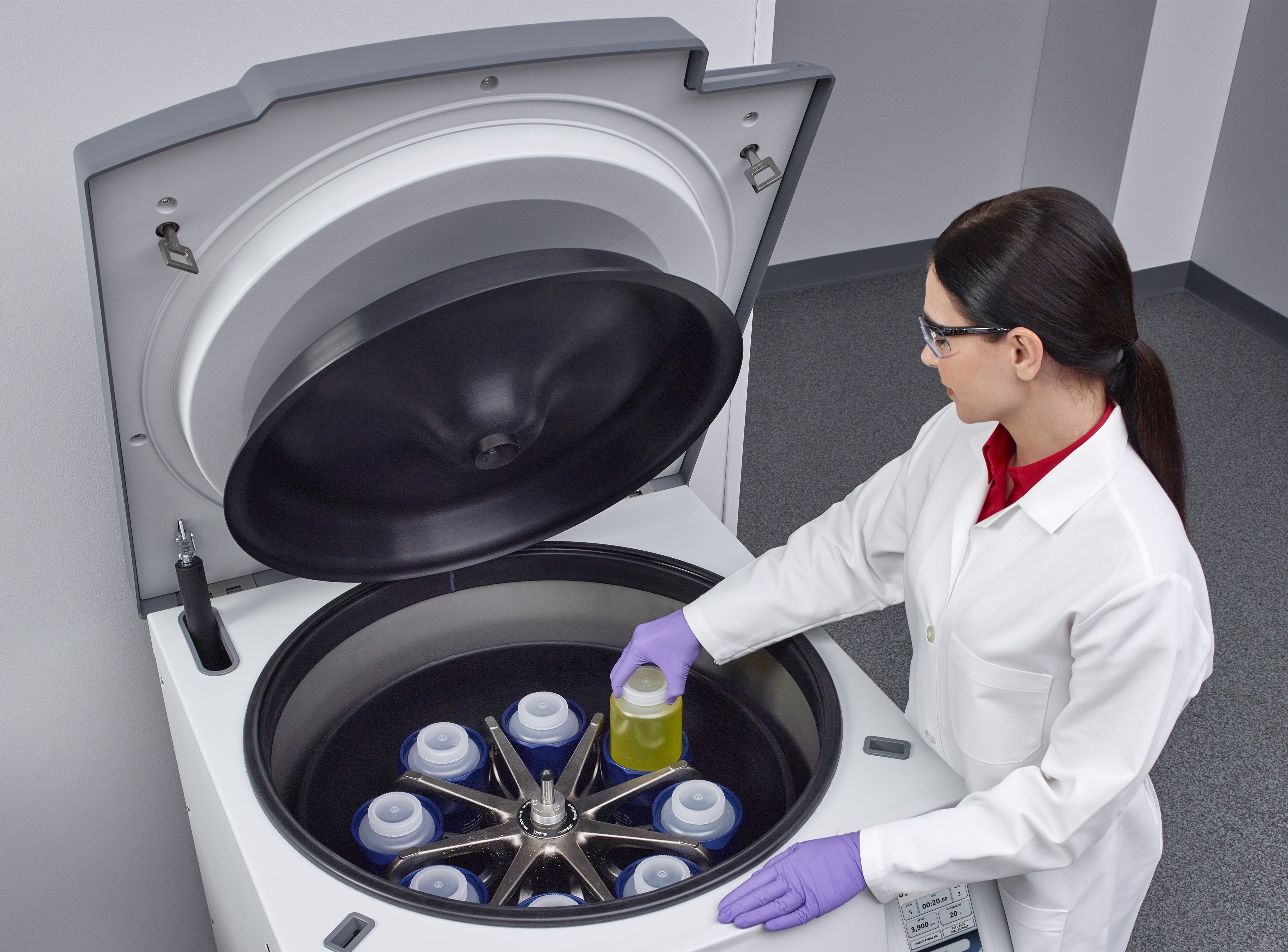
Key Benefits of High-Speed Centrifuges in Industrial Applications
The advantages offered by centrifuges operating at elevated speeds extend beyond their roles in chemical manufacturing and waste treatment. These machines provide critical benefits that empower industries to streamline processes efficiently and maintain high-quality outputs.
The enhanced separation capabilities at high velocities allow for precise phase distinctions and reduced processing times, which translates to increased productivity and operational freedom. Additionally, their robust design supports continuous operation under demanding conditions, offering reliability and durability in various industrial environments.
Key benefits include:
- Improved separation efficiency leading to higher purity levels
- Reduced energy consumption compared to traditional methods
- Compact footprint allowing flexible integration into existing workflows
These benefits collectively contribute to operational autonomy and adaptability, essential for industries seeking to innovate and optimize without compromise.
Choosing the Right High-Speed Centrifuge for Your Industry Needs
When selecting a centrifuge suited to specific industrial requirements, several critical factors must be considered to guarantee peak performance and compatibility.
The nature of the materials processed—viscosity, particle size, and density—directly influences centrifuge type and rotor design. Operational speed and capacity should align with production volume demands, ensuring efficiency without overburdening the equipment.
Additionally, ease of maintenance and energy consumption impact long-term operational freedom and cost-effectiveness. Safety features and compliance with industry standards safeguard both operators and products.
Flexibility for future scaling or process adjustments allows industries to adapt without restrictive investments. Ultimately, choosing a high-speed centrifuge involves balancing technical specifications with operational freedom, empowering industries to optimize productivity while maintaining control over their processes.
Conclusion
High-speed centrifuges play a pivotal role across various industries, enhancing efficiency and product quality in pharmaceutical, biotech, food, beverage, chemical manufacturing, and waste treatment processes. Their ability to rapidly separate components improves operational throughput and reduces downtime. Selecting the appropriate centrifuge tailored to specific industry requirements maximizes these benefits, ensuring peak performance and cost-effectiveness. Overall, high-speed centrifuges represent an essential technology driving innovation and productivity in modern industrial applications.


